
The Power of Brand to Diversify Income
Brandland’s first ever hands-on workshop on 17 March 2026 was all about giving back to the charity and not-for-profit sector. Led by Nikki Young and Michelle Williams from Creativity Unbound, the participants worked through exercises to understand how brand can help them to diversify their income, and to step into the mindset of the people they most want to reach.
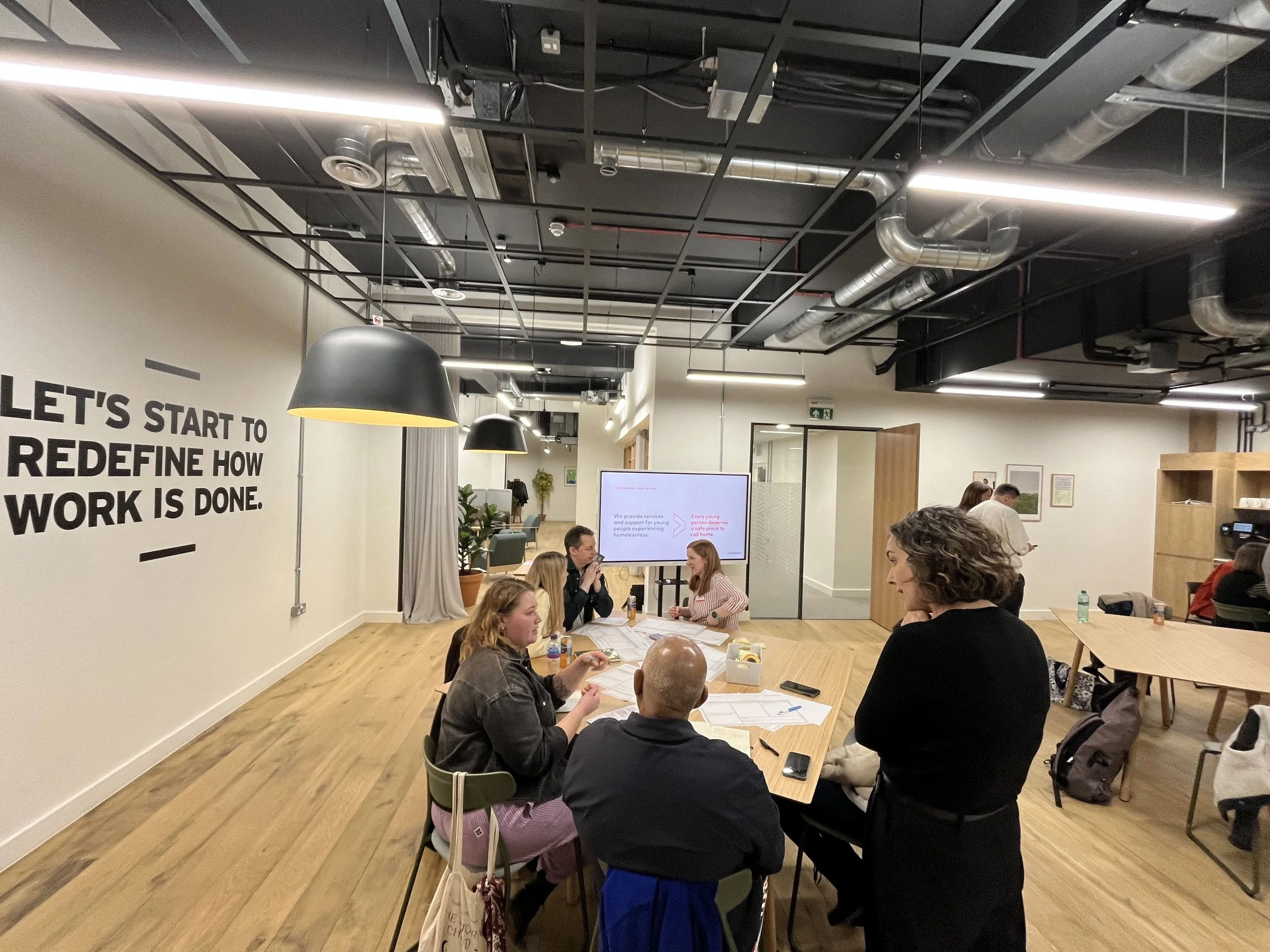
The session started by exploring why brand is so important to consider. This was all about centring the audience - the most successful organisations are those where the audience understands what they do, and a brand can go a long way to conveying that message. In a world where there are more causes than ever and less time to engage with them, it’s vital that a charity’s audience has a clear perception of its work. To quote directly, "the organisations that will thrive over the next five years are not necessarily those doing the most good, but those most clearly understood".
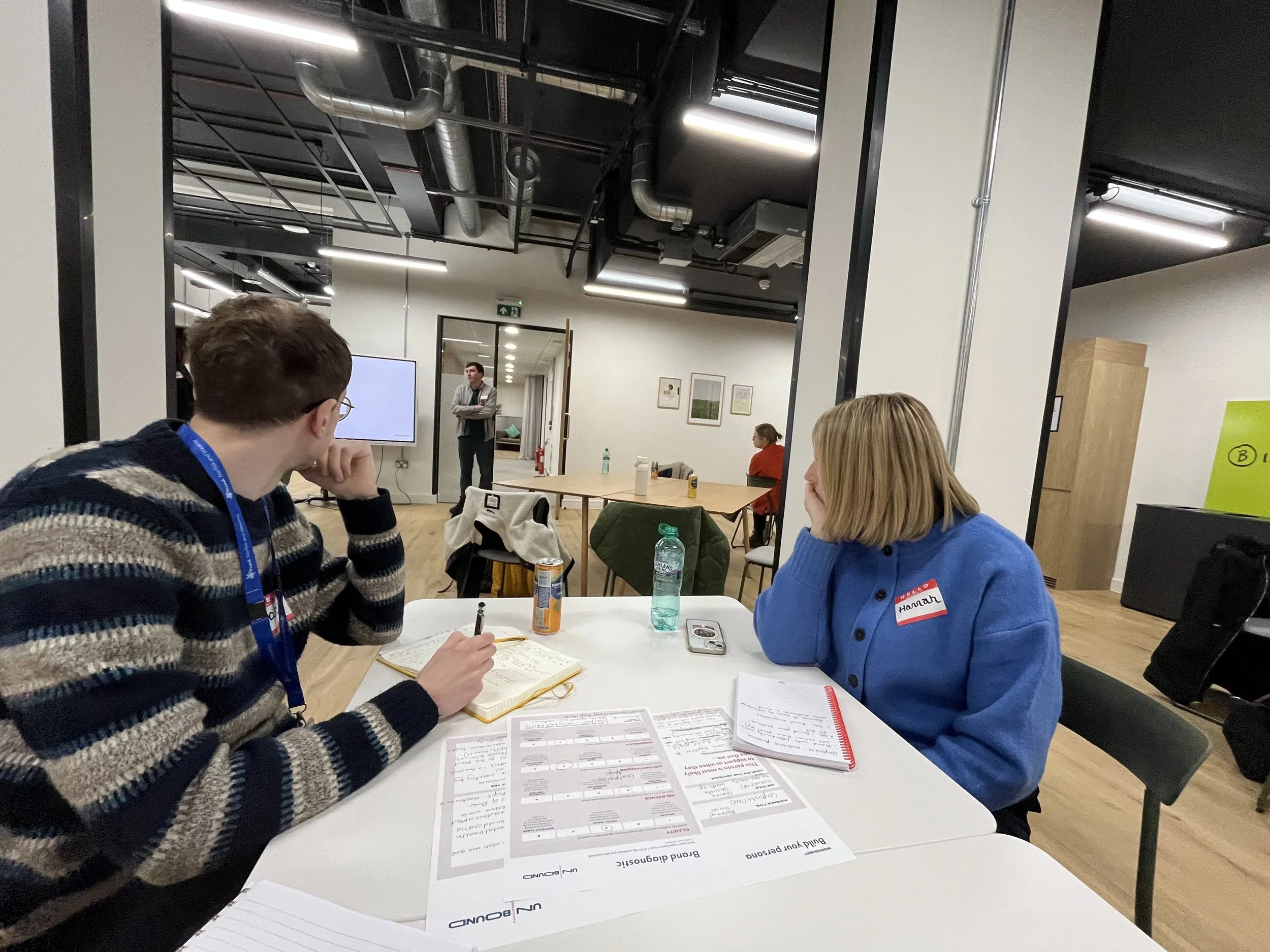
The workshop participants then worked through a series of tasks to help them practically apply these ideas. First they were asked to build a persona for their target audience. Then based on this, they completed a brand diagnostic task to assess whether their brand is built for growth. This considered four crucial factors:
Clarity - Would this audience quickly understand what you do and why it matters?
Relevance - Does our story connect to what this audience actually cares about?
Distinctiveness - Do we stand out from other organisations working in this space?
Credibility - Does this audience feel confident we can deliver impact?
Finally, they were asked to take the learnings from those tasks to rewrite the first paragraph of their homepage for their chosen audience.
The main take away from the task was: “When your story reflects what your audience cares about, it becomes much easier for them to see themselves in the change you’re creating. And when people can see themselves in that story, it becomes much easier for them to choose you.”
Using AI as a Creative Co-Pilot
The second part of the workshop was led by Jo Hutchinson from Yes Futures, who explored how to use AI to test ideas, personalise engagement and facilitate connection. The participants were encouraged to consider the types of prompts they could use to help them clarify their work, get into the mindset of their audience and create content. They also explored how to create a custom AI model ensure responses are written in a brand’s voice.
Thanks
A huge thank you to Spaces for hosting us, find out more about their brilliant working space here.